Awajún ~ Communities
Historical Context: The Awajún, the Term “Jíbaro,” and Ritual Warfare
When Spanish expeditions entered the northern Amazon in the sixteenth century, they encountered fiercely independent Indigenous societies occupying the forested river basins and mountain foothills of what is now northern Peru and southern Ecuador. Spanish sources from this period refer broadly to these peoples as “Jíbaros,” a term that was not a self-designation but an exonym applied by outsiders.
According to both historical accounts and Awajún oral history, the term Jíbaro likely derives from early encounters in which Indigenous informants used words such as Shiwara or Shiwag, meaning “enemy” or “outsider,” to describe hostile or opposing groups. Spanish chroniclers adopted and generalized this term, using it to label multiple related peoples who resisted colonial control. Over time, Jíbaro became a broad colonial category rather than an accurate reflection of Indigenous identity.
During the late sixteenth century, Spanish authorities attempted to establish settlements and missionary outposts within this territory. These efforts culminated in a major Indigenous uprising in 1599, during which several Spanish settlements were destroyed. Following this rebellion, colonial penetration into the region largely collapsed. For centuries afterward, the area remained effectively outside state control, and European, mestizo, and later republican authorities regarded the region as dangerous and inaccessible.
It was within this pre-state context of isolation, inter-group conflict, and territorial defense that some Jivaroan groups, including the ancestors of today’s Awajún, practiced ritual head-taking during periods of warfare. Anthropological research describes this practice as highly structured and symbolic. The ceremonial preparation of an enemy’s head was embedded in a complex spiritual system concerned with warfare, protection, social balance, and the containment of spiritual power, rather than indiscriminate or random violence. These practices were governed by strict cultural rules and were not part of everyday life.
Historical and ethnographic studies indicate that ritual head-taking declined rapidly during the late nineteenth and early twentieth centuries, as missionary presence, state expansion, and changing social conditions altered patterns of conflict and authority. By the mid-twentieth century, such practices had effectively ceased. Contemporary Awajún communities do not engage in ritual head-taking, and it is understood today as part of a historical period shaped by isolation, warfare, and pre-state social organization rather than a living tradition.
Understanding this distinction is essential. Much of what is popularly attributed to the “Jíbaros,” including warfare practices, reflects colonial-era generalizations rather than the lived history, values, or self-understanding of Awajún society today.
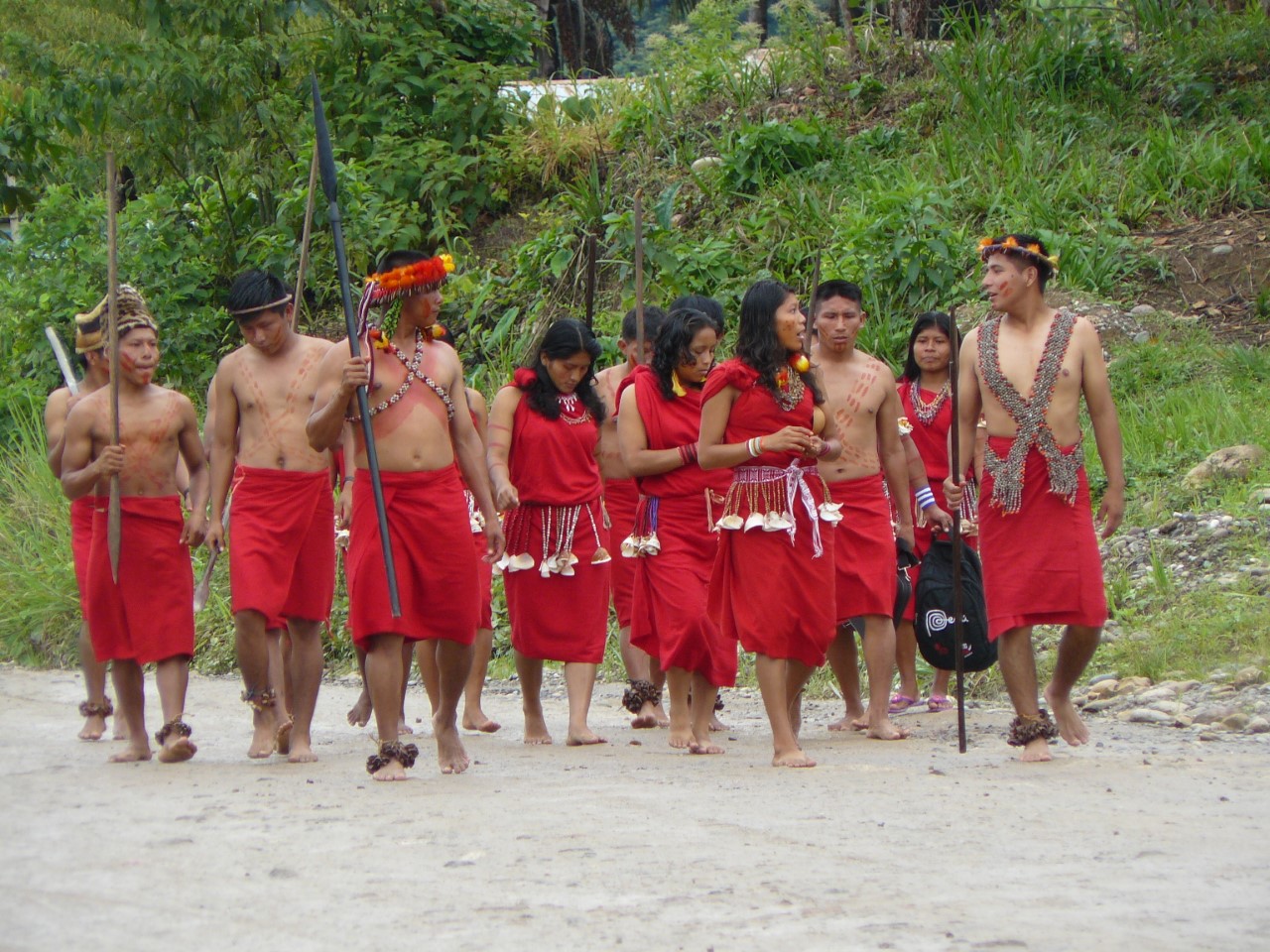
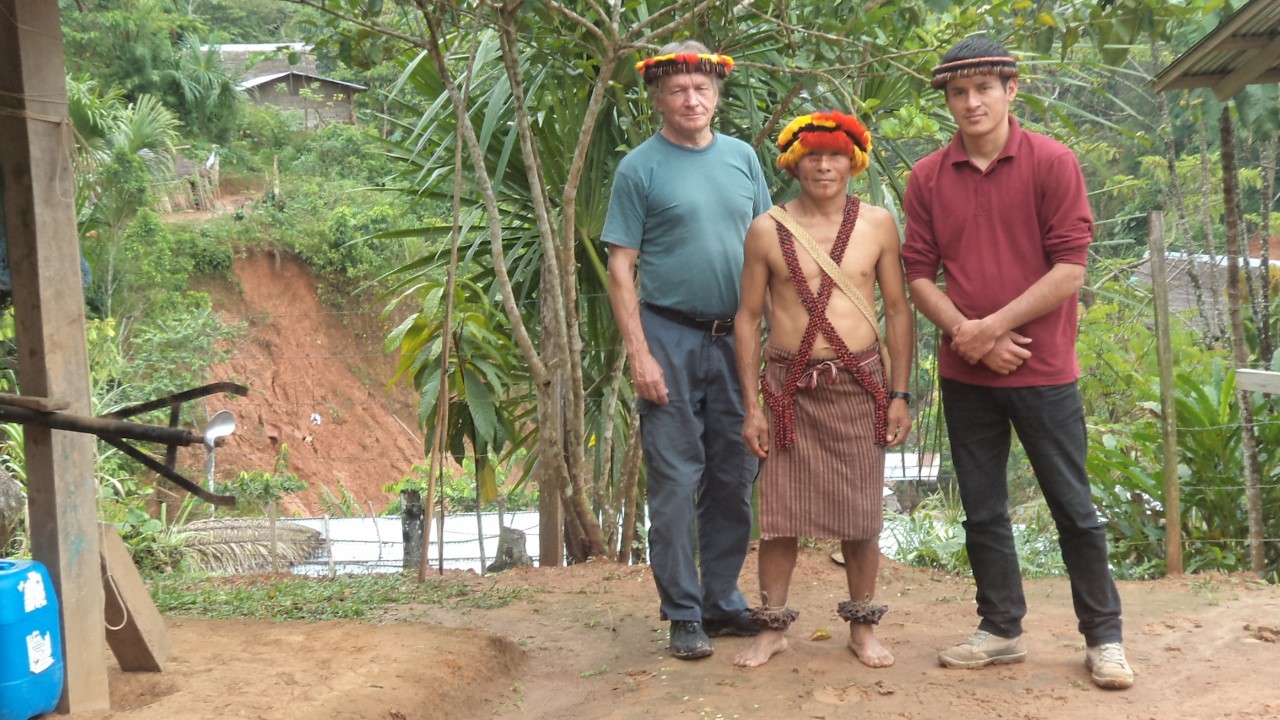
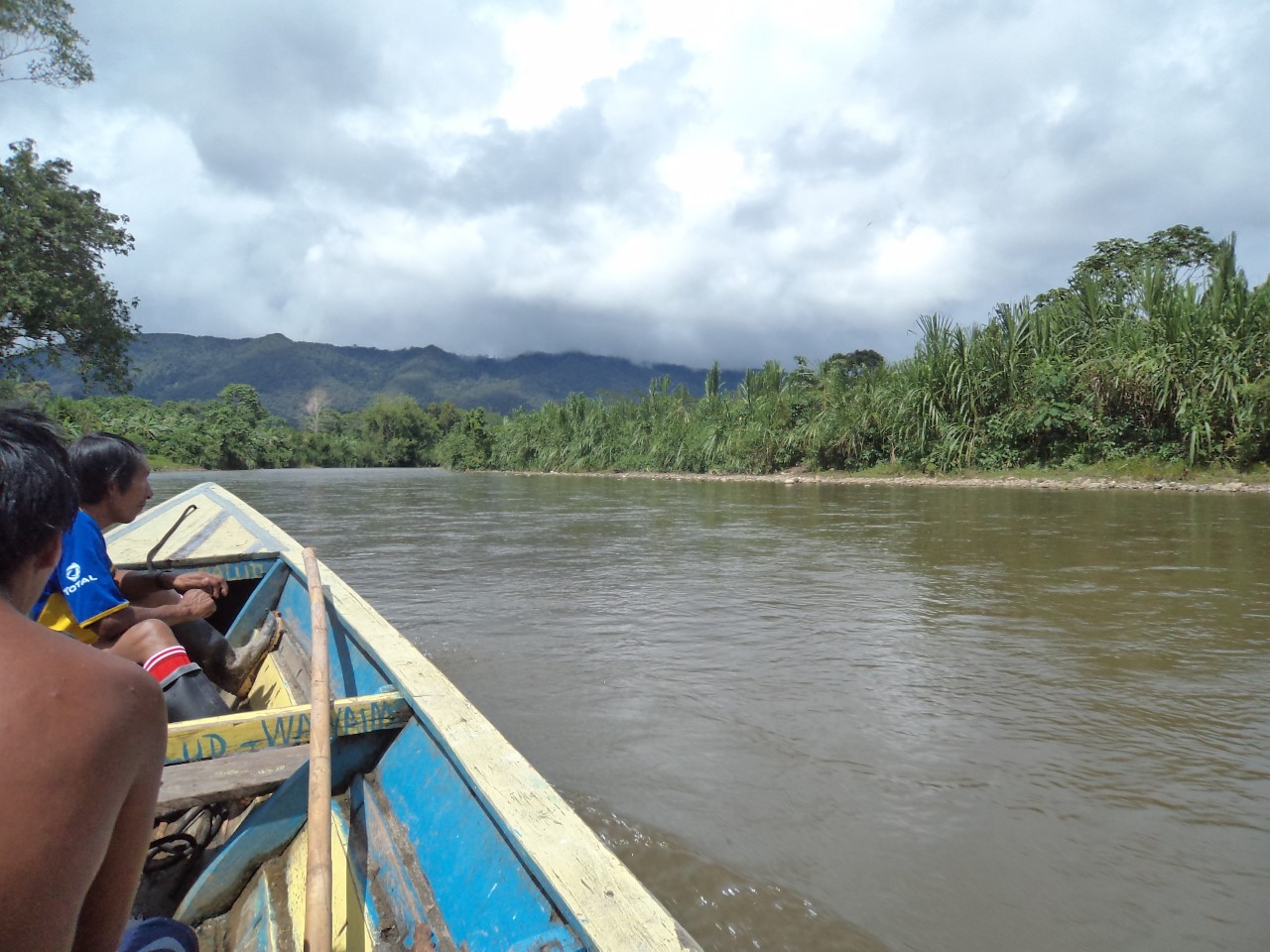
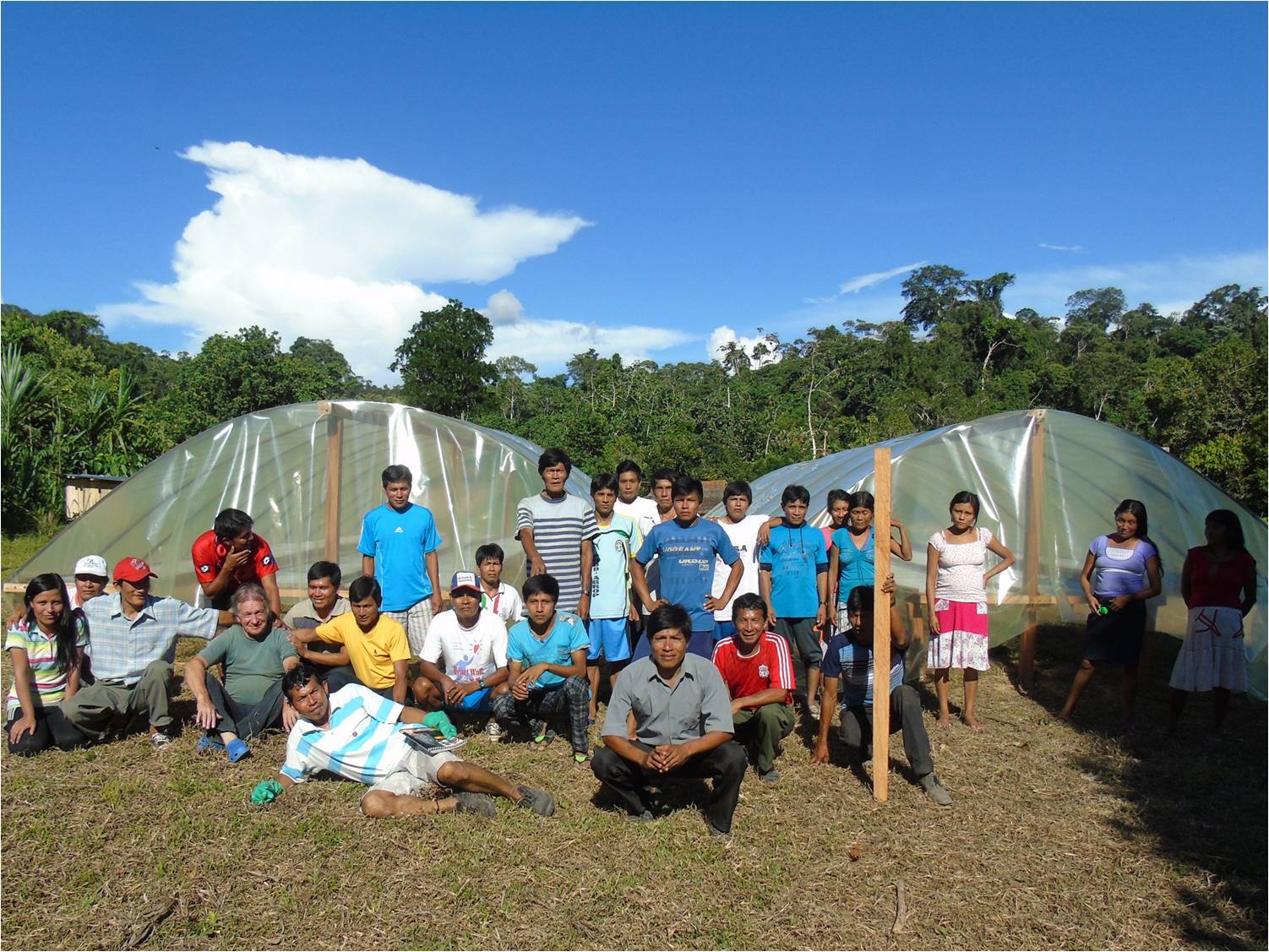
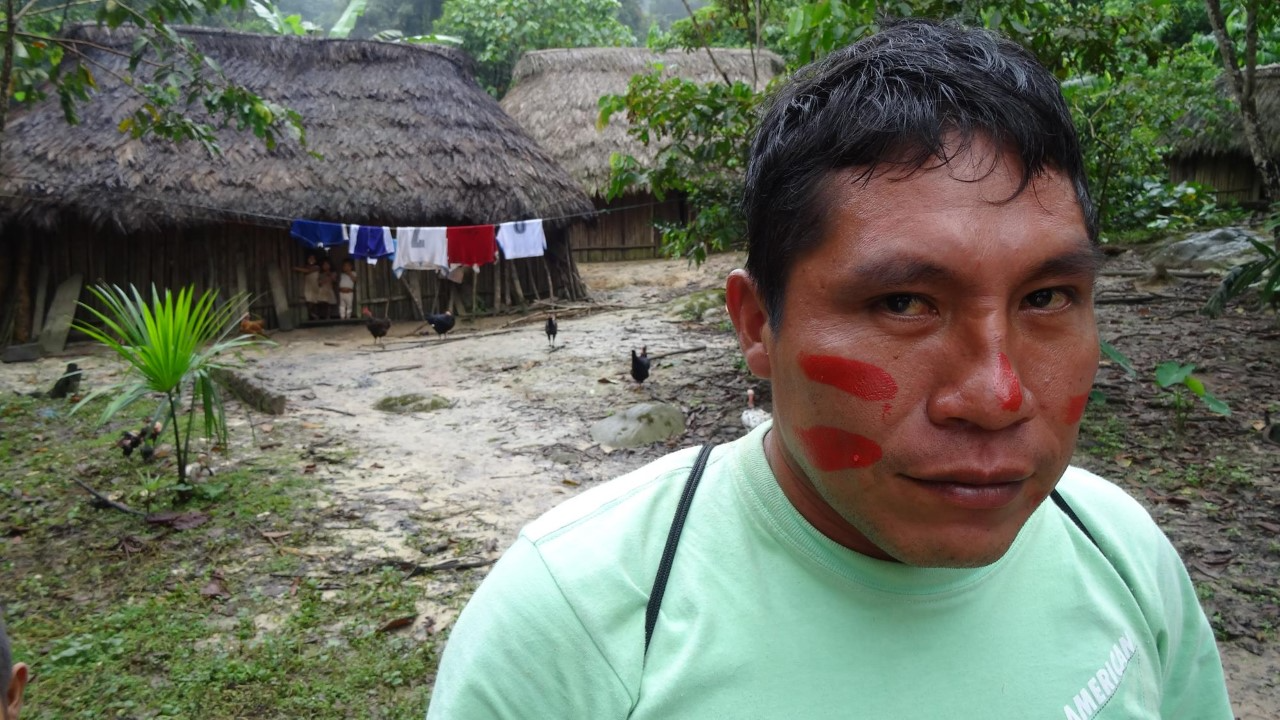
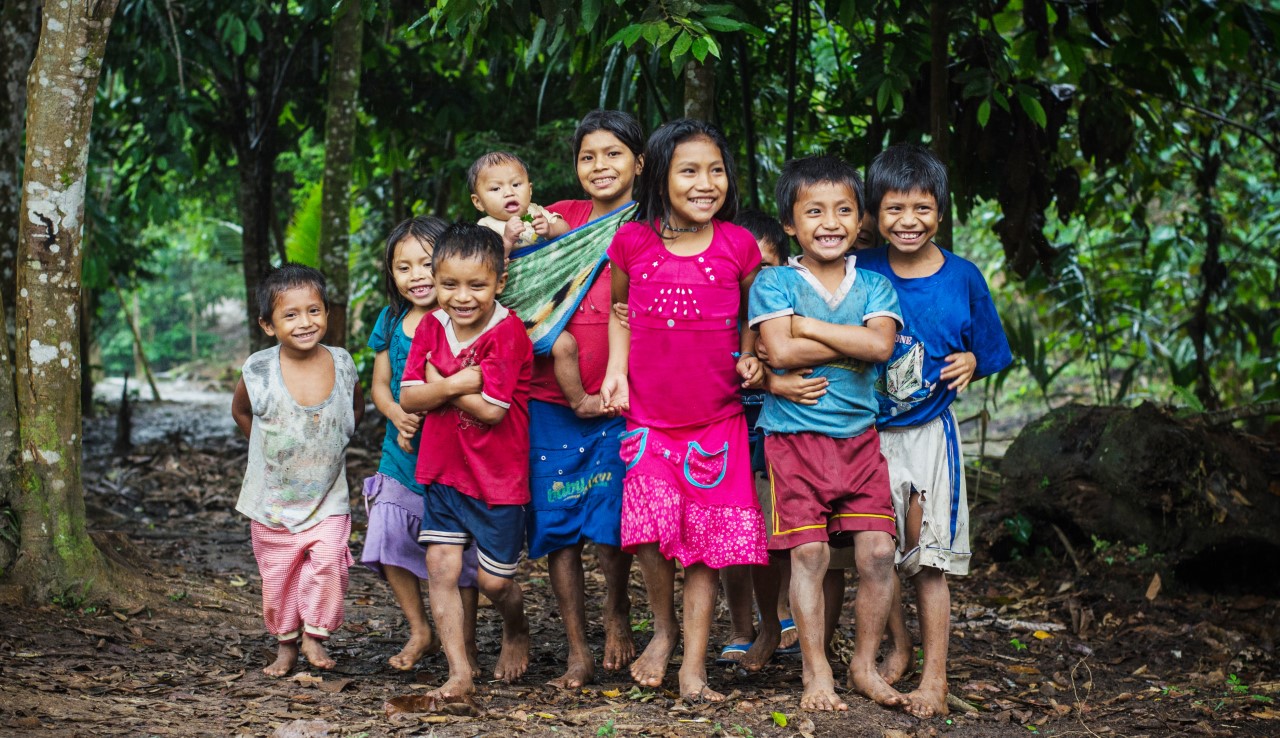
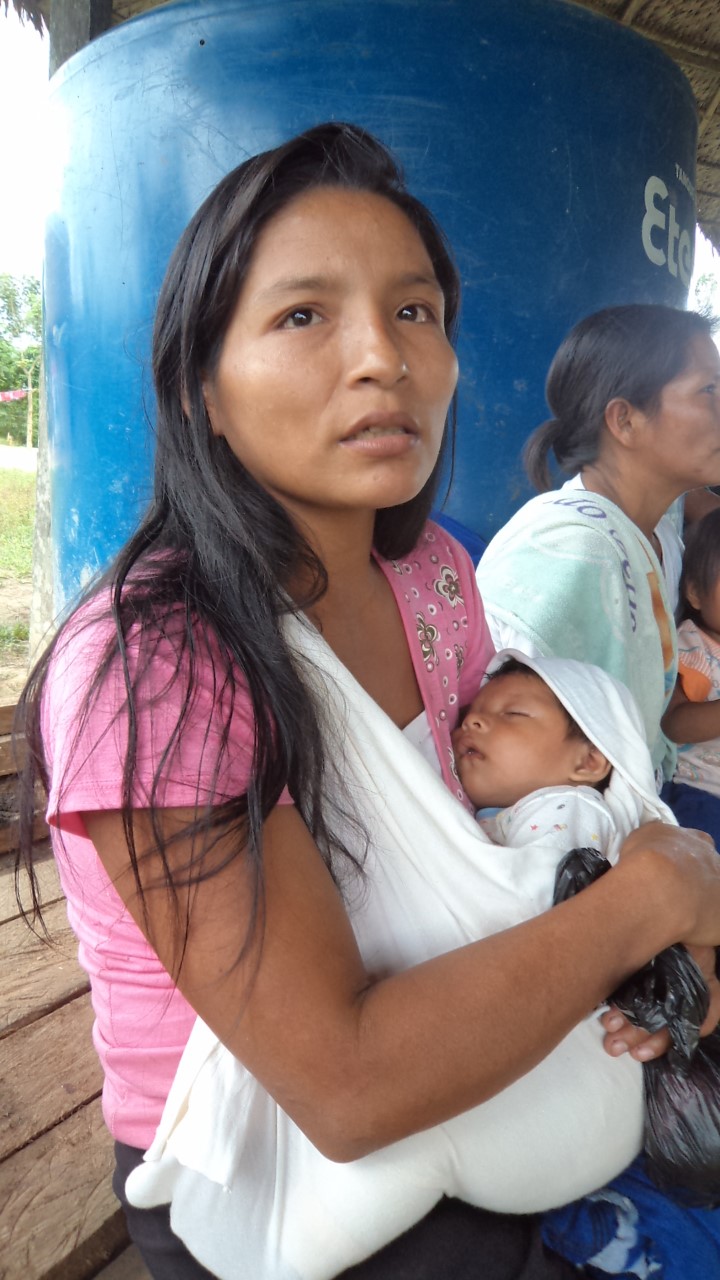
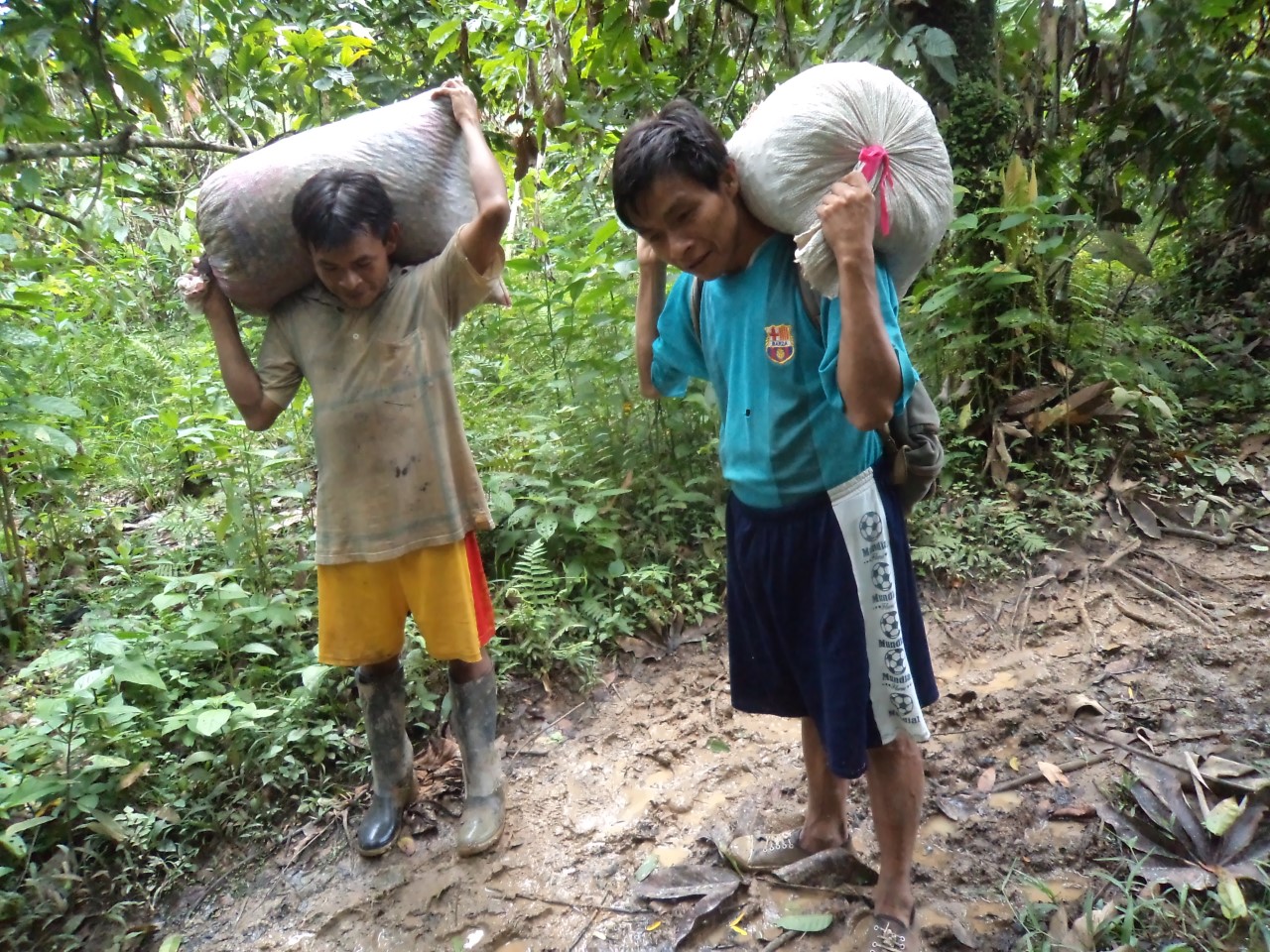
Awajún Communities: The Awajún are an Indigenous people belonging to the Jivaroan ethnolinguistic family. Today, the Awajún population in northern Peru is estimated at approximately 30,000 people. Awajún communities maintain strong cultural, spiritual, and historical ties to the Kampankis Mountains and the surrounding river basins.
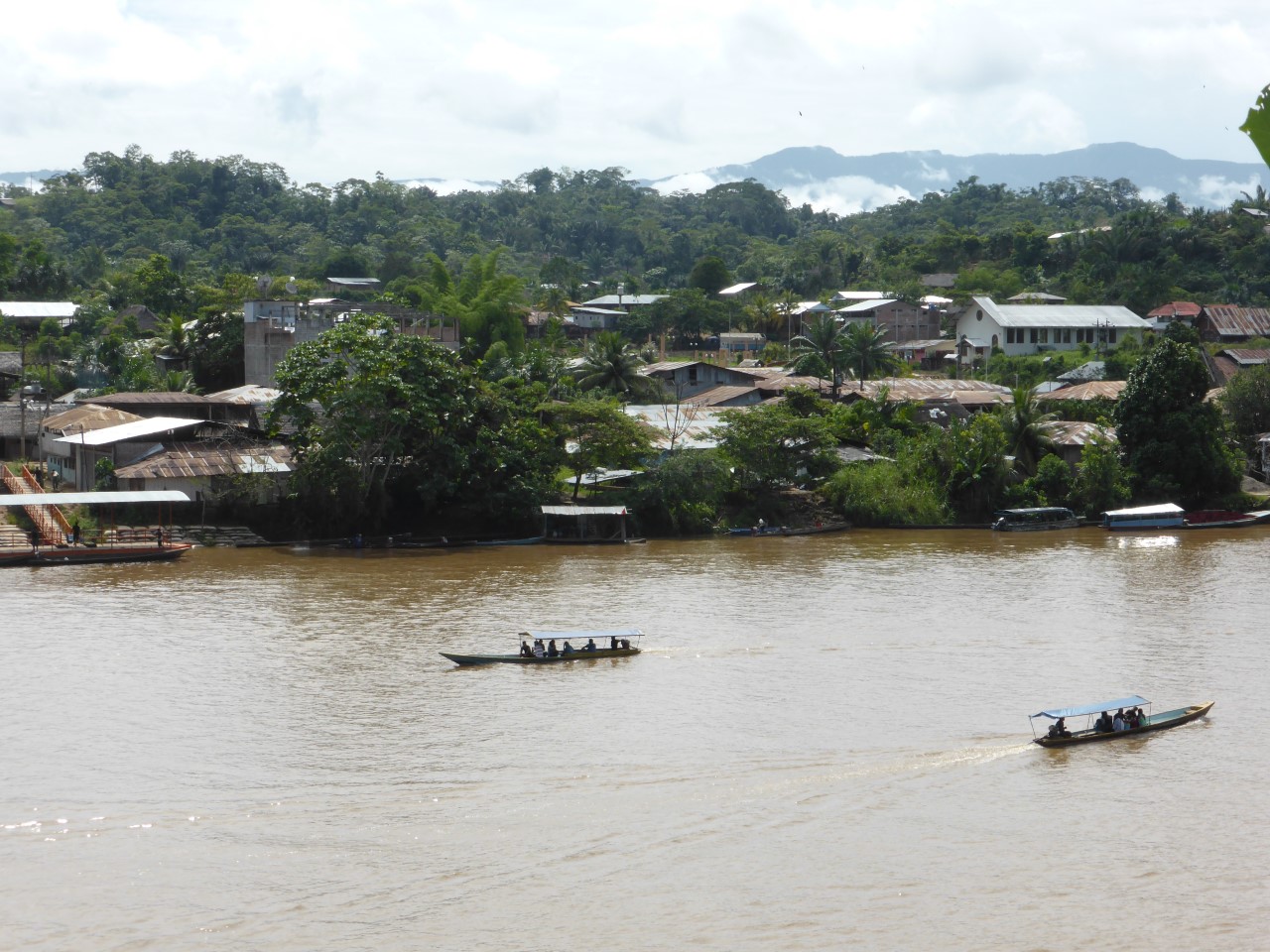
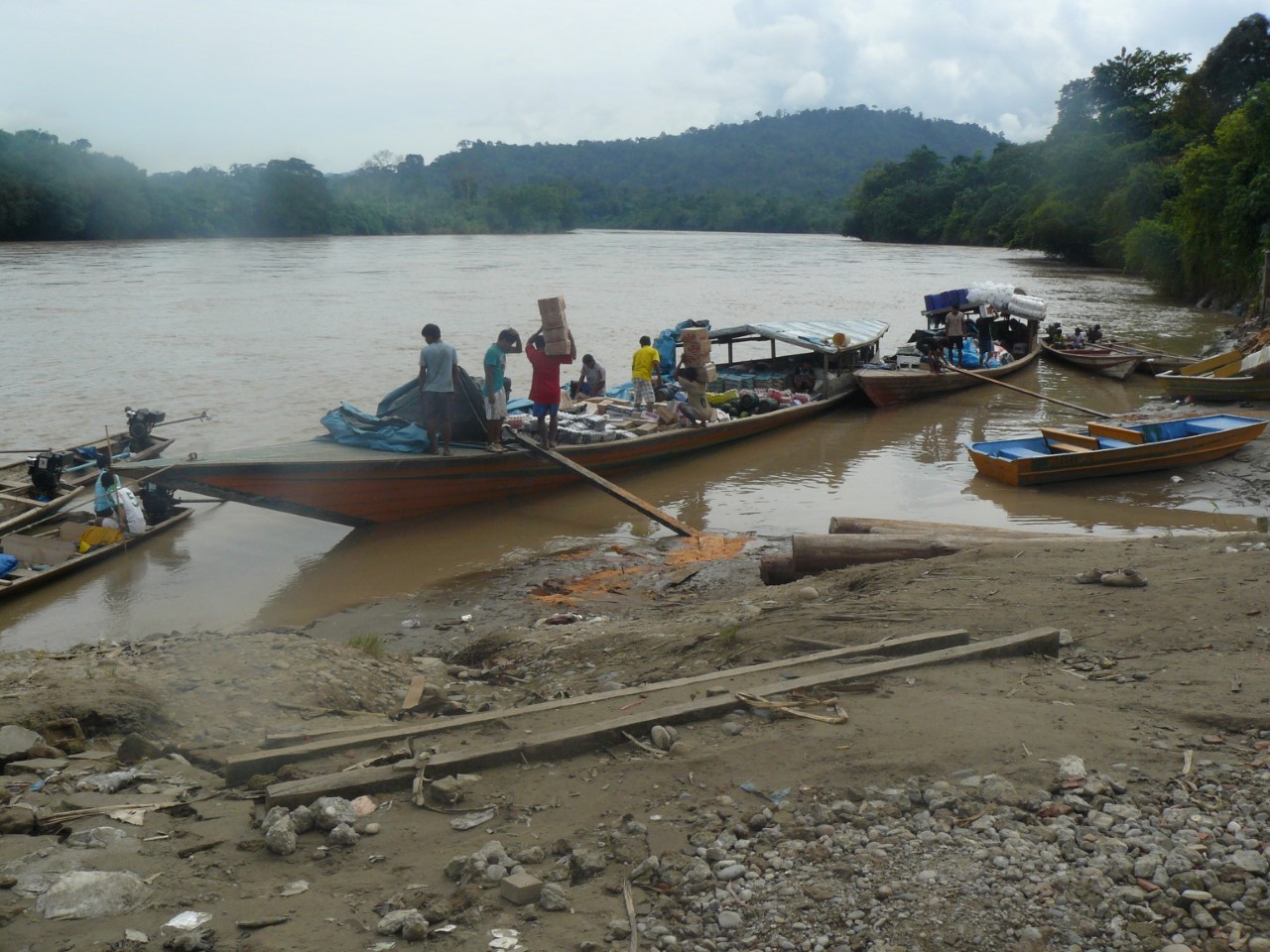
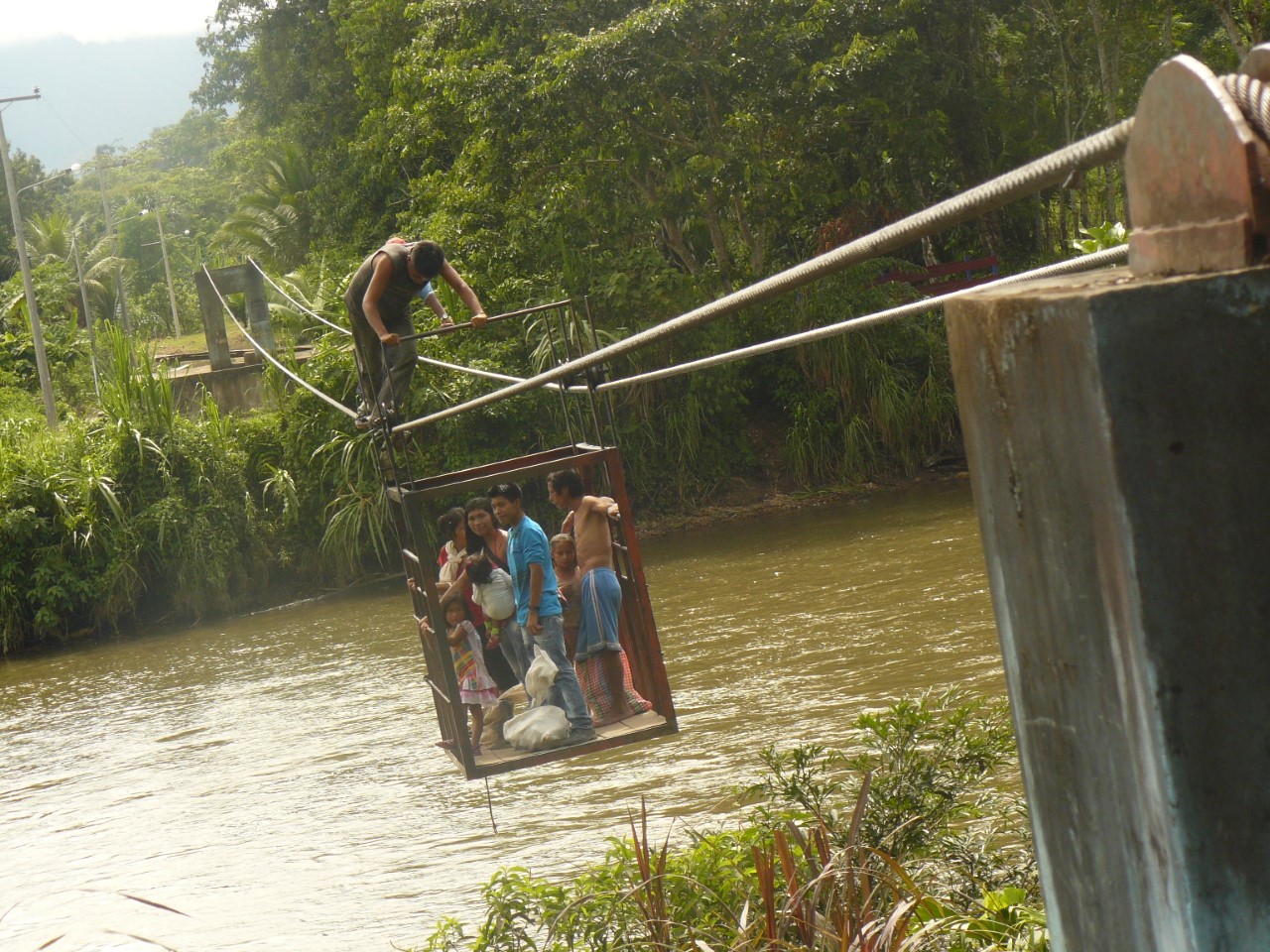
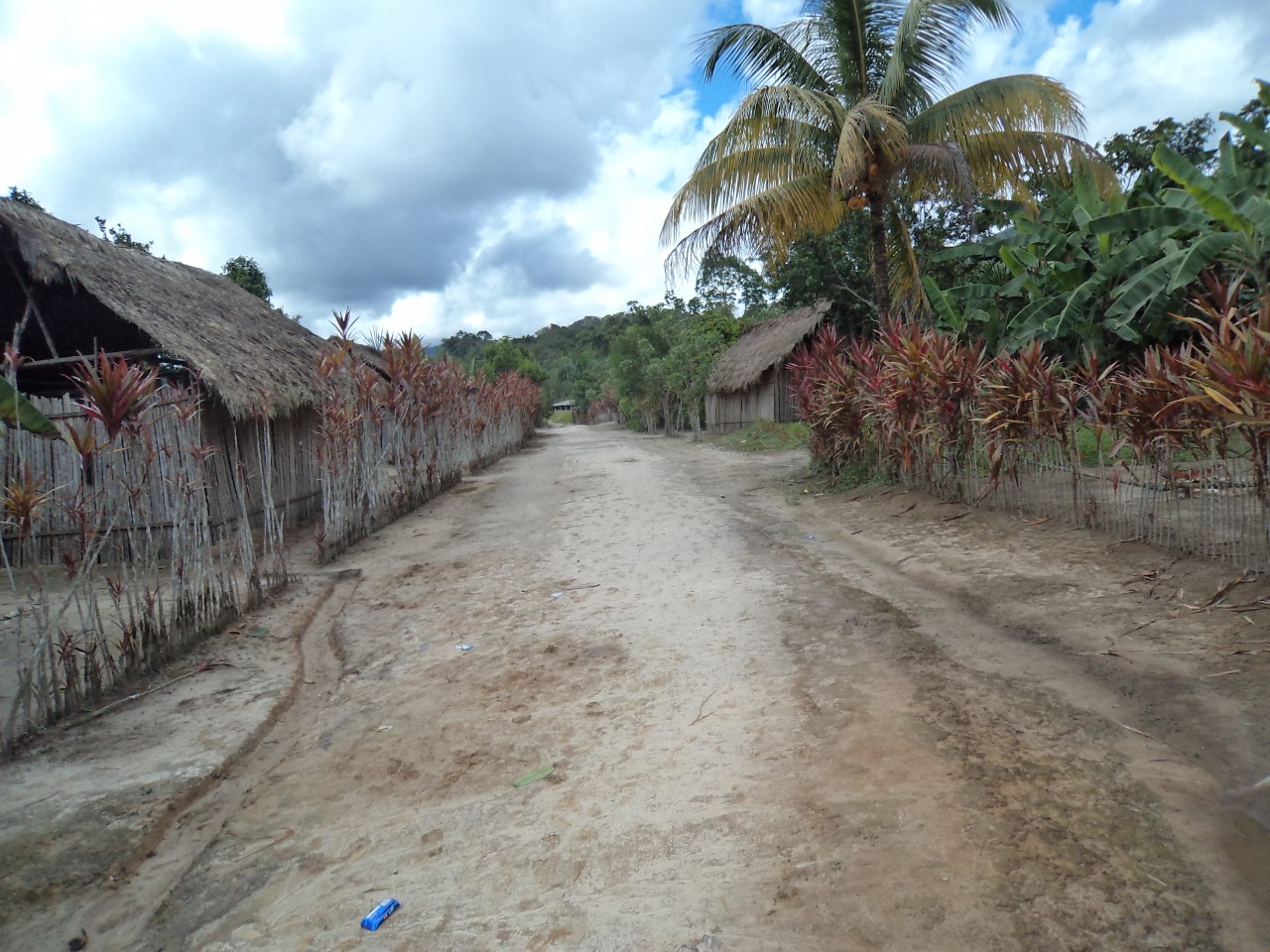
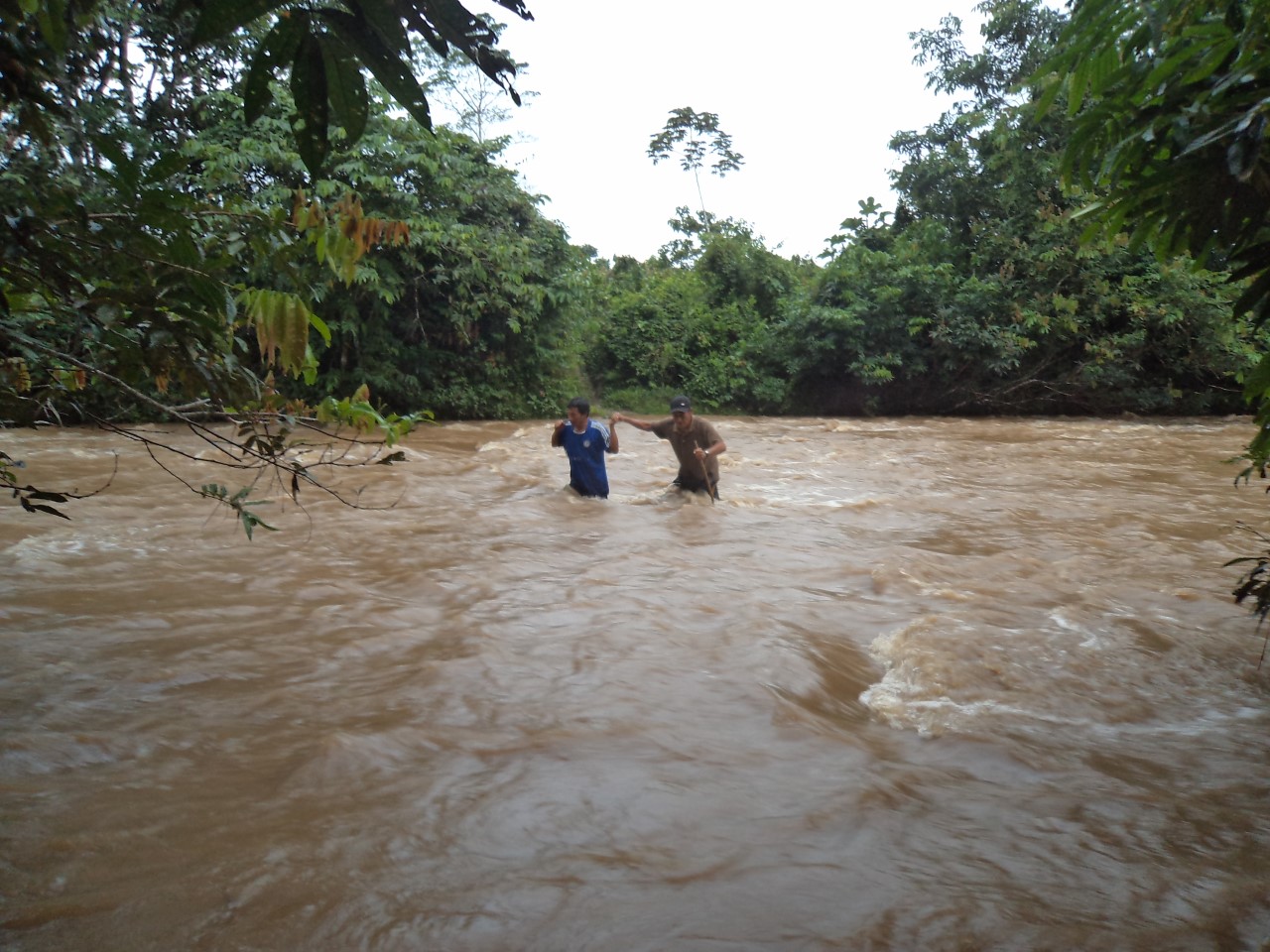
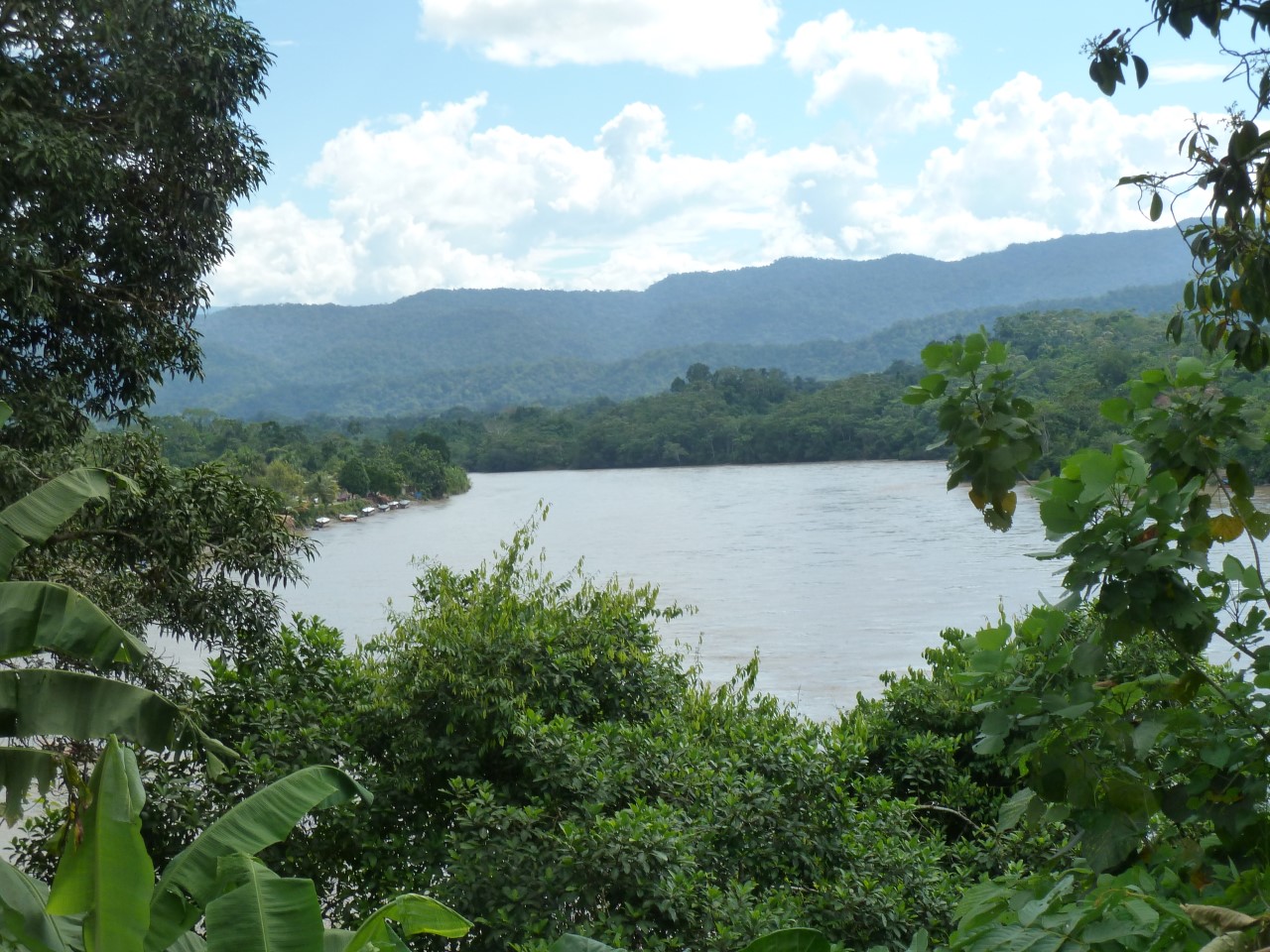
Until the mid twentieth century, many Awajún families lived in dispersed settlements in upland and forested areas, often along smaller streams and tributaries. This settlement pattern reflected longstanding Awajún social organization, subsistence practices, and territorial use. Beginning in the 1940s and 1950s, and increasingly through the following decades, this pattern began to change. Missionary activity, state-led health and education initiatives, and shifting administrative policies encouraged relocation toward larger rivers and the formation of more concentrated villages.
In 1974, the Peruvian state formally recognized these settlements under national law as “comunidades nativas” or Indigenous communities, establishing fixed territorial boundaries and legal status. While this recognition provided certain protections and access to state services, it also marked a significant transformation in settlement patterns, governance structures, and daily life for many Awajún families.
The name Awajún itself began to appear in written records only in the early twentieth century, as ethnographers and Indigenous leaders’ distinguished specific peoples within the broader colonial category previously labeled “Jíbaro.”
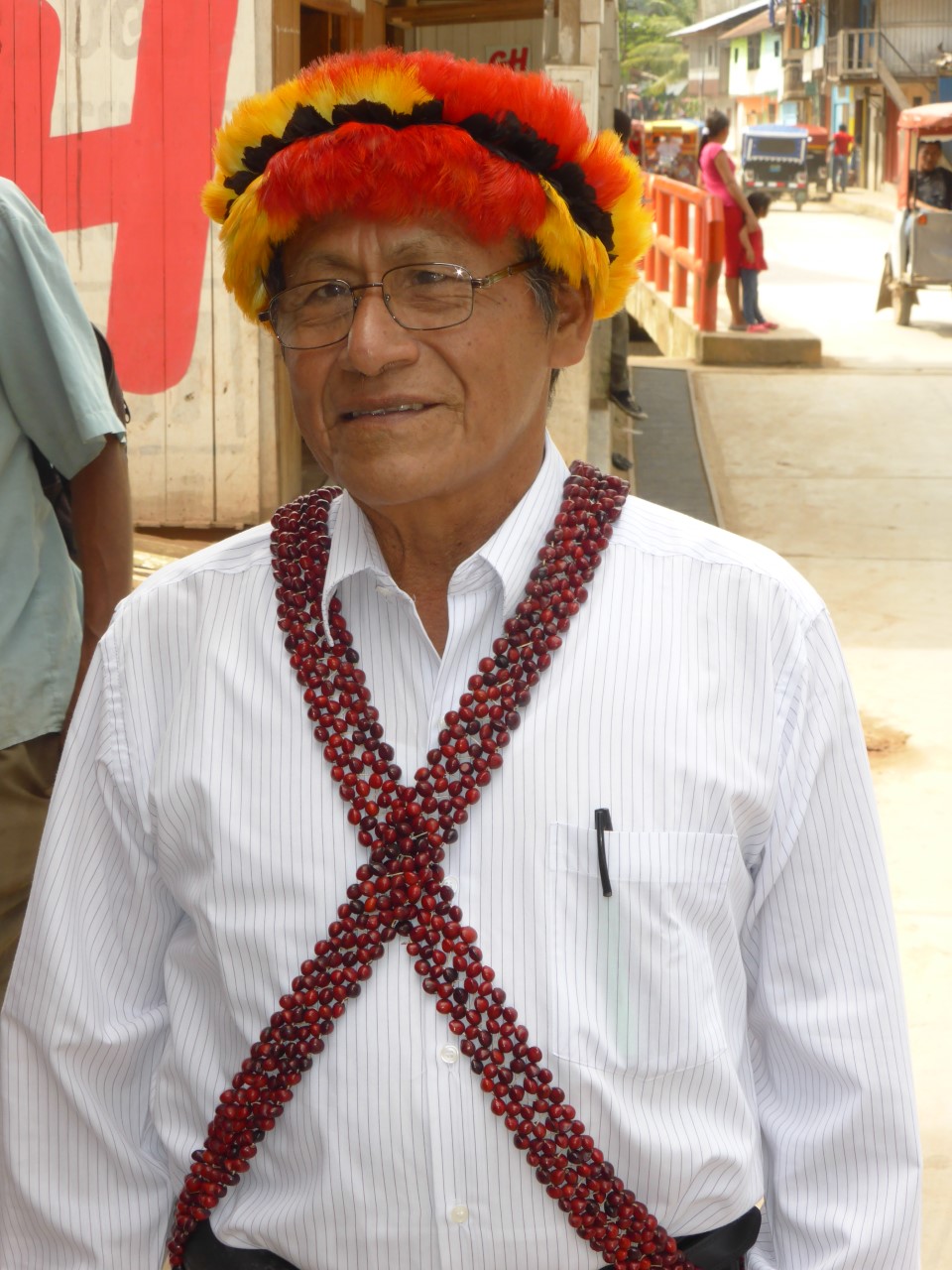
Today, Awajún refers to a distinct people with their own language, territory, and cultural identity. Awajún communities strongly reject the term Jíbaro, which they associate with colonial misunderstanding and external stereotyping, and they have explicitly clarified this history to researchers working in the region.
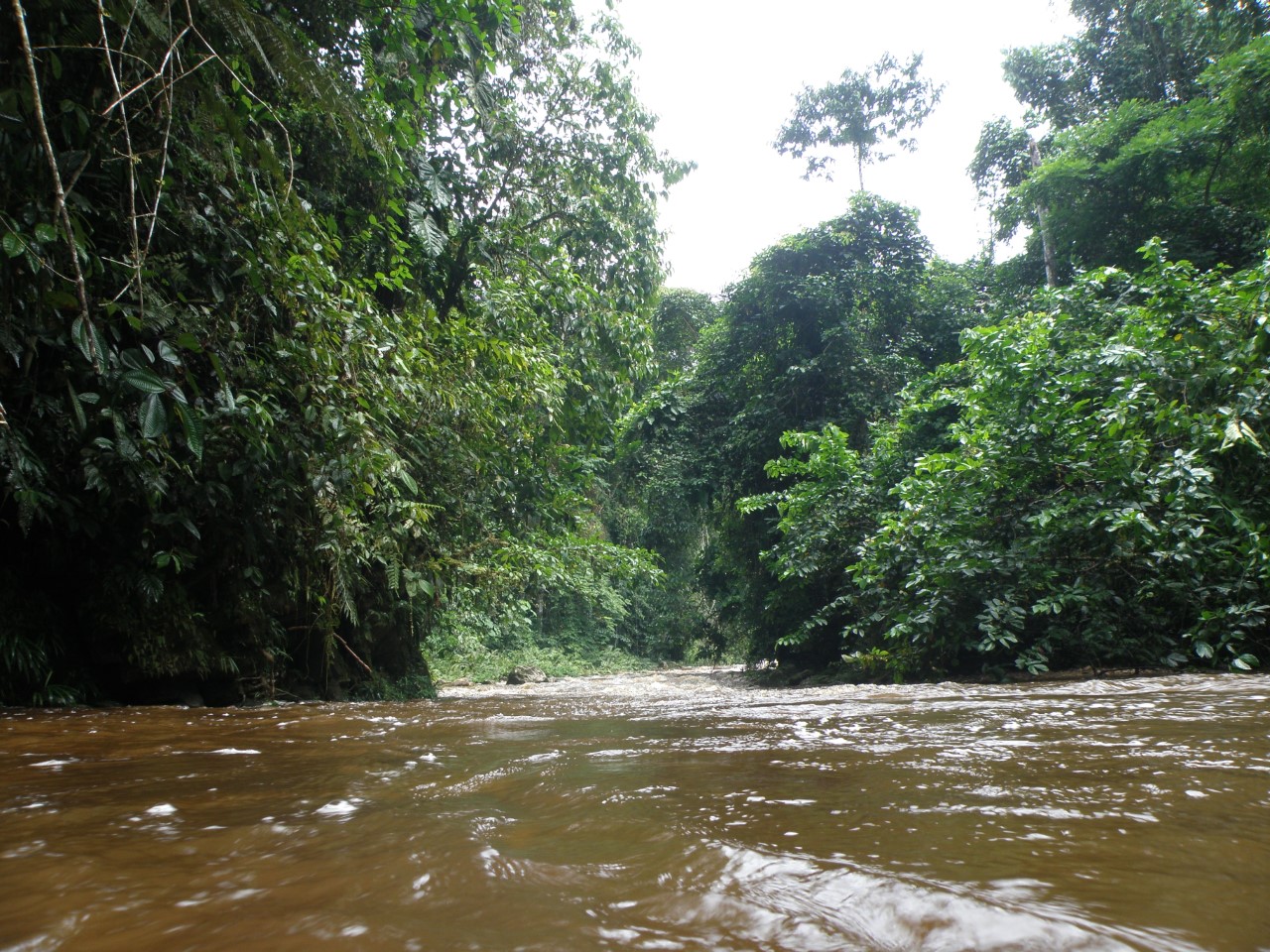
Kampankis Mountains: Residents’ relationships with the Kampankis Mountains are based on a view of the world in which humans, animals, plants, and other elements of the landscape form groups that are linked to each other by shared networks of social relationships (kinship, alliances, competition, etc.). The mountains also represent a link with residents’ ancestors, as sites of visionary experiences in search of ajutap/arutam (spirit beings), and a source of spiritual inspiration and knowledge with which to face the future. In this way, the Kampankis Mountains are not only a biodiversity-rich cordillera but also a rich cultural landscape saturated with symbolic meaning for local residents.
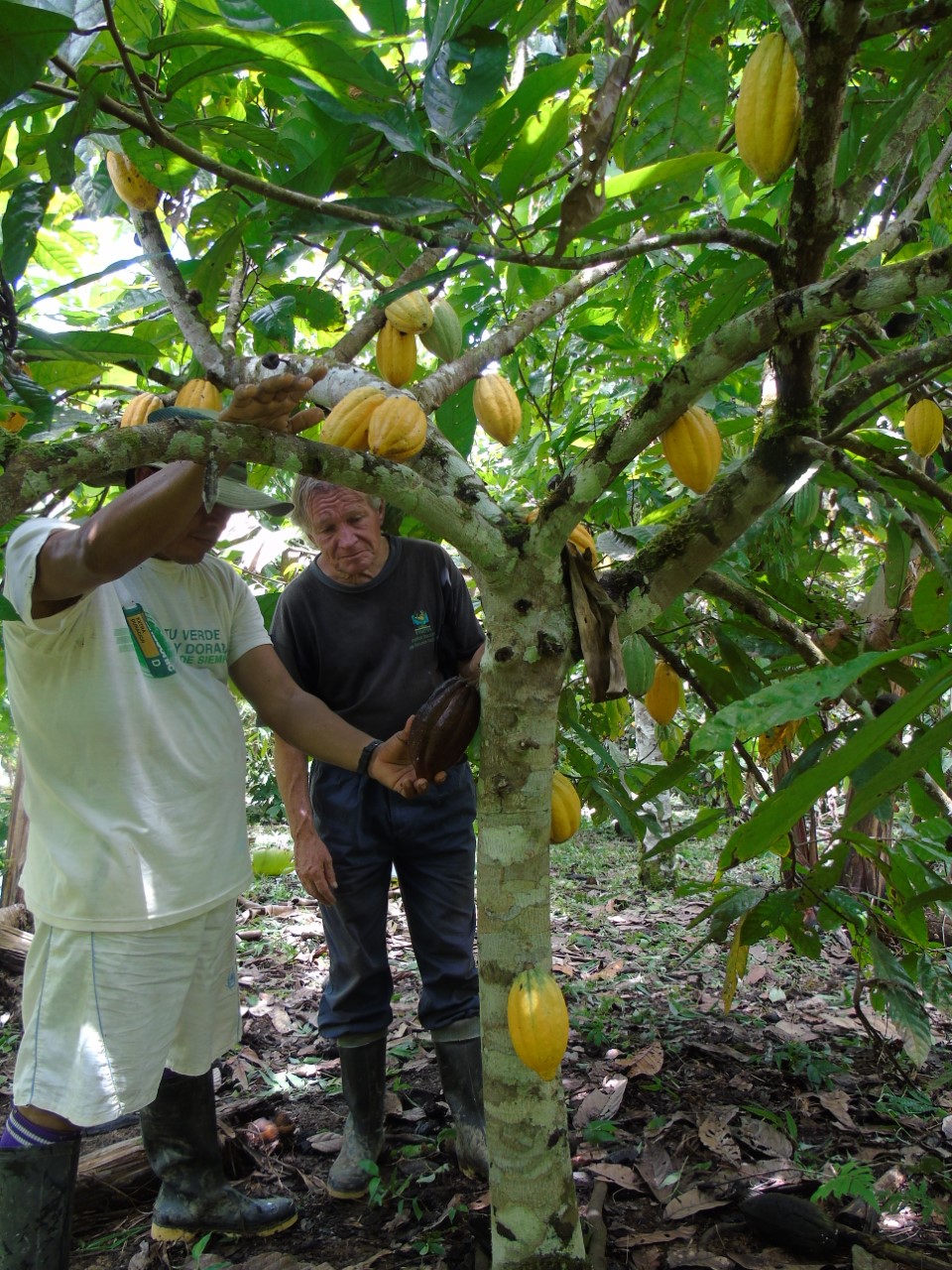
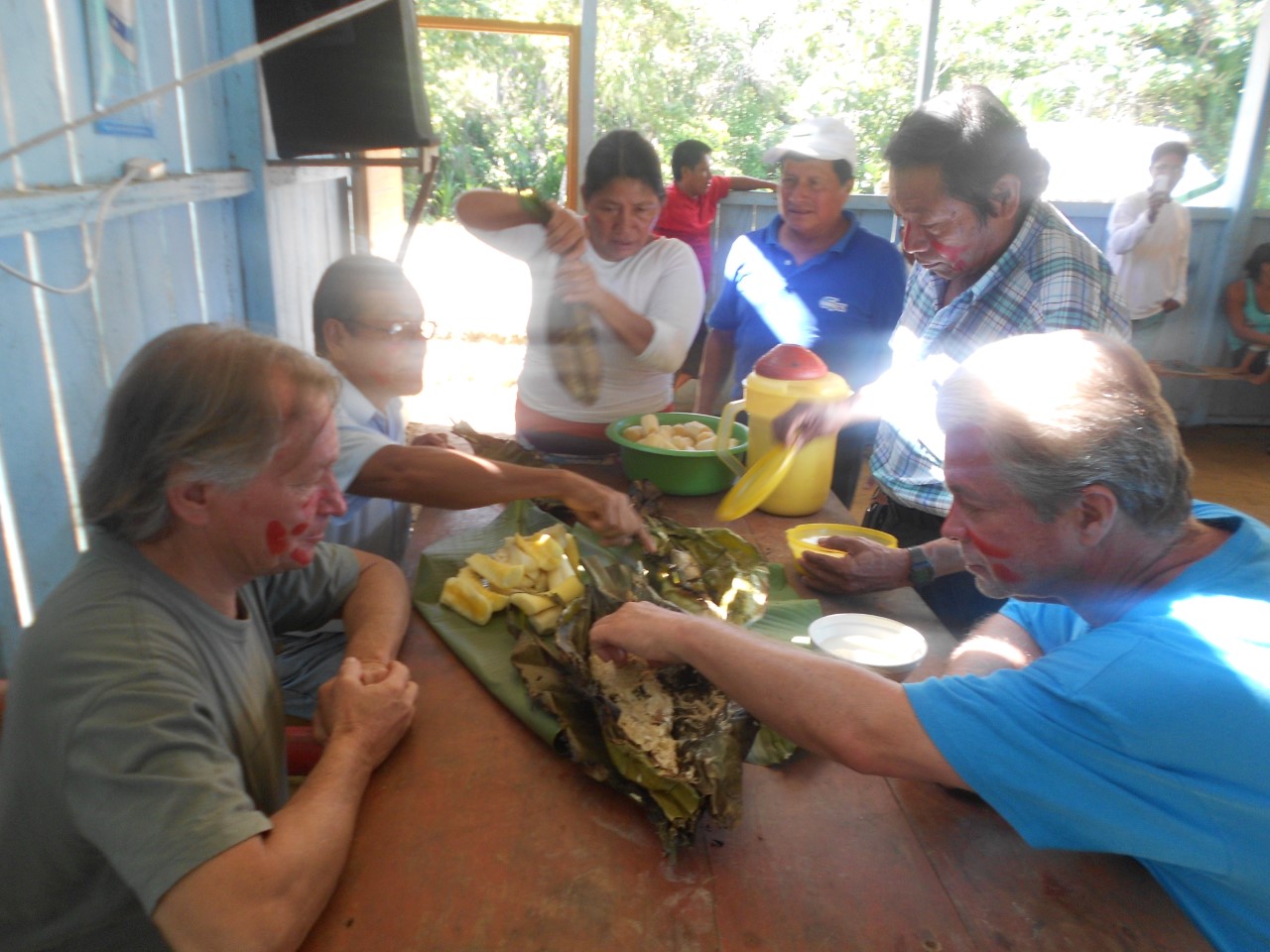
Through a complex system local communities manage and protect the region’s natural resources with ancestral agreements, current cultural practices including small-scale agriculture and subsistence hunting and fishing, and a deep understanding of local biology and ecology.